
Charting Algorithmic Momentum Signals Across Athletic Fields to Refine Layered Wager Constructions with Emerging Digital Incentives
Algorithmic systems now process real-time performance metrics from football matches, tennis rallies, and horse racing events to identify momentum shifts, and these tools feed directly into layered wager structures that incorporate digital incentives such as reload credits and tiered bonus pools. Data streams from wearable sensors, video analysis platforms, and betting exchange feeds supply the inputs while machine learning models flag acceleration patterns in player movement or pace changes during races. Observers note that such signals appear most consistently when algorithms aggregate variables across consecutive scoring sequences or sectional timings rather than isolated events.
Core Components of Momentum Signal Detection
Researchers at institutions tracking sports analytics have documented how velocity-based indicators in football combine with rally length data in tennis and stride frequency readings in thoroughbred events to generate composite momentum scores, and these scores update continuously during live competitions. The models apply weighted filters that prioritize recent sequences while discounting earlier fluctuations, which produces alerts when a team sustains territorial dominance or a player maintains serve hold percentages above baseline thresholds. Figures from industry reports show that integration of these signals into wager construction platforms occurs through API connections that adjust stake allocations automatically when momentum crosses predefined levels.
Layered constructions typically involve stacking multiple markets such as first-half goal timings with set-winning probabilities and place market outcomes, yet the algorithmic layer refines entry points by scaling bet sizes according to signal strength. Digital incentives enter the equation through promotional credit multipliers that activate once specific momentum thresholds trigger, and these incentives often tie to app-based loyalty tiers that reward consistent engagement with verified signal data.
Cross-Sport Application Patterns in August 2026
During the 2026 summer calendar period, pre-season football fixtures overlapped with late-stage tennis hard-court events and mid-tier horse racing meetings, creating simultaneous data environments where algorithms tracked momentum across disciplines. One analysis from the Australian Gambling Research Centre revealed that momentum reversals in football correlated with serve percentage drops in concurrent tennis matches at rates exceeding random expectation, while sectional pace surges in racing aligned with goal-scoring clusters when normalized for time windows. Platforms processing these correlations enabled users to construct wagers that linked football corner accumulation to tennis game totals and horse racing each-way positions through shared incentive structures.
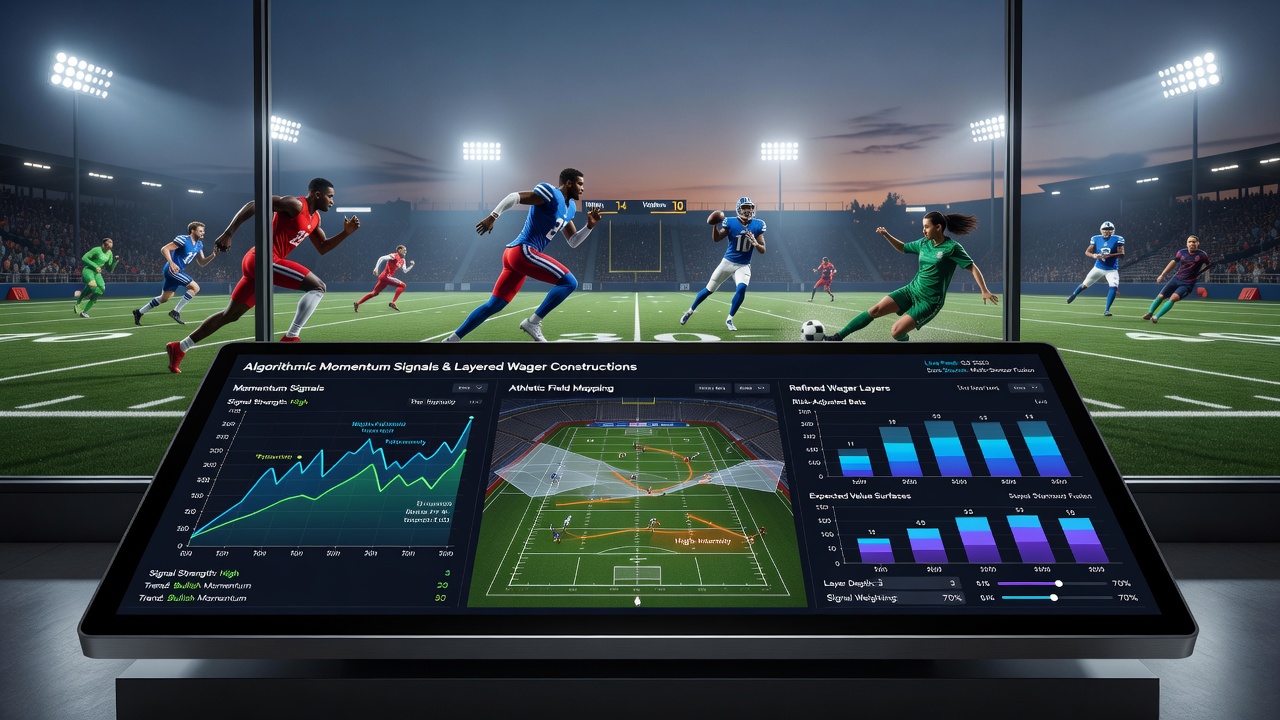
Implementation requires synchronization of live data feeds from governing bodies and timing providers, and operators in regulated markets have adopted standardized protocols to ensure signal accuracy before incentive activation. Those who manage these systems report that false positive rates decline when models incorporate weather variables and venue-specific historical adjustments, which in turn supports more stable layered constructions during volatile periods.
Integration with Emerging Digital Incentive Mechanisms
Digital incentives in 2026 encompass tokenized reward credits, progressive cashback ladders, and conditional bonus releases tied to algorithmic triggers, and these mechanisms operate alongside traditional welcome offers without overlapping the structures detailed in prior coverage. Platforms link momentum signals to incentive eligibility by requiring users to place qualifying layered wagers only after signal confirmation, which channels activity toward markets with demonstrated statistical edges according to backtested datasets. According to the European Gaming and Betting Association, jurisdictions across multiple regions have updated transparency requirements so that operators disclose the weighting applied to momentum inputs when calculating incentive payouts.
Case examples include accumulators where football possession dominance signals unlock additional tennis handicap layers, and these constructions receive extra credit allocations when horse racing finish burst indicators align within the same session. The process relies on timestamp verification to prevent retroactive adjustments, and data from the International Center for Responsible Gaming indicates that clear disclosure of such linkages reduces user disputes in automated systems.
Technical Infrastructure and Data Sources
Backend systems ingest high-frequency data from optical tracking cameras in stadiums, GPS modules on racehorses, and ball trajectory sensors on courts, then route outputs through secure channels to betting interfaces. Algorithms apply recurrent neural networks to sequence data while ensemble methods cross-validate outputs against historical momentum persistence rates, and this dual approach maintains reliability across varying event durations. Observers have noted that August 2026 schedules featured extended daytime sessions in tennis alongside evening racing cards, which extended the window for multi-sport signal correlation and incentive stacking within single platform sessions.
Regulatory frameworks in several markets now mandate audit trails for algorithmic decisions that affect incentive distribution, ensuring that momentum thresholds remain consistent rather than adjusted post-event. Those operating within these frameworks utilize version-controlled models that log every signal generation event alongside corresponding wager adjustments and credit releases.
Conclusion
Algorithmic charting of momentum signals across athletic disciplines supplies measurable inputs for constructing layered wagers that align with digital incentive programs, and the infrastructure supporting these connections continues to evolve through standardized data protocols and regulatory oversight. Continued refinement of detection models depends on expanded sensor networks and cross-referenced performance archives, which in turn sustain the integration of live signals with incentive mechanisms throughout the 2026 calendar and beyond.