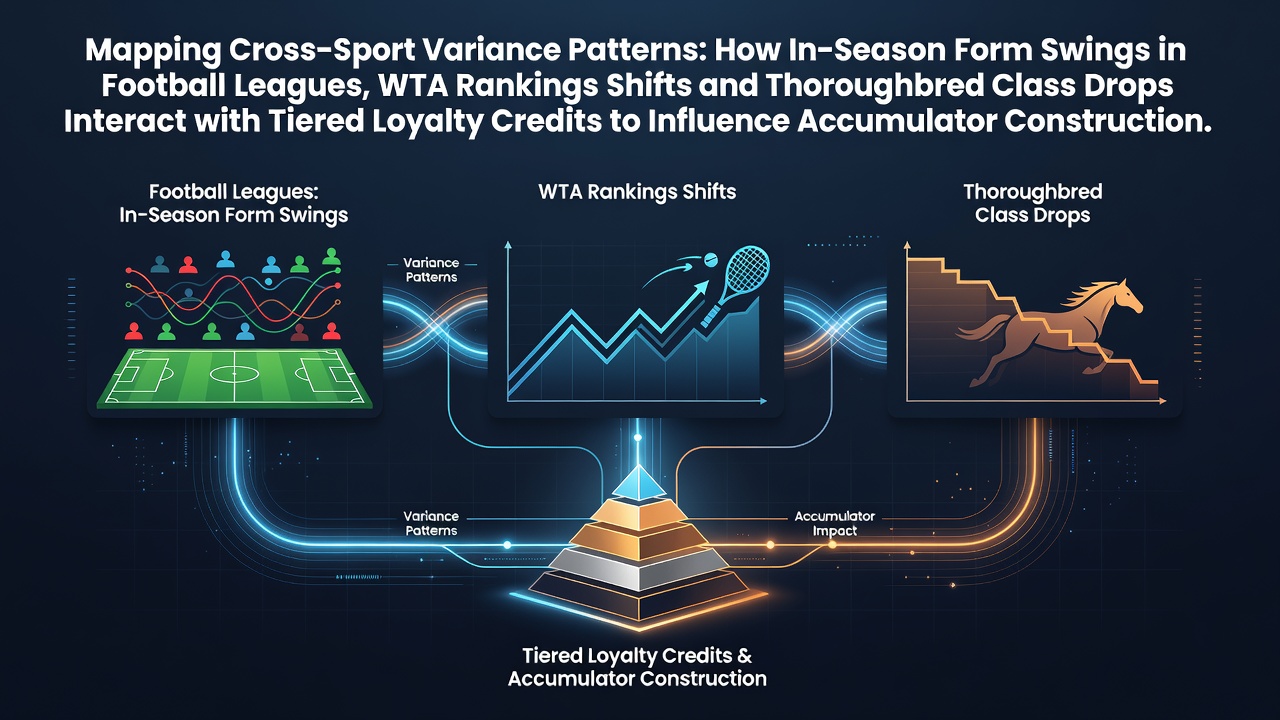
Mapping Cross-Sport Variance Patterns: How In-Season Form Swings in Football Leagues, WTA Rankings Shifts, and Thoroughbred Class Drops Interact with Tiered Loyalty Credits to Influence Accumulator Construction
Patterns of variance across football leagues, WTA circuits, and thoroughbred racing reveal measurable interactions with tiered loyalty credit systems that shape accumulator construction in October 2026. Observers note that in-season form swings in leagues such as the English Premier League and Bundesliga create measurable deviations from expected outcomes, while WTA ranking shifts follow tournament cycles that alter player probabilities mid-season, and thoroughbred class drops introduce sudden adjustments in race class eligibility that affect finishing positions. These elements combine with loyalty credit structures offered by operators to modify how bettors allocate stakes across multi-leg accumulators.
Football League Form Swings and Their Measurable Impact
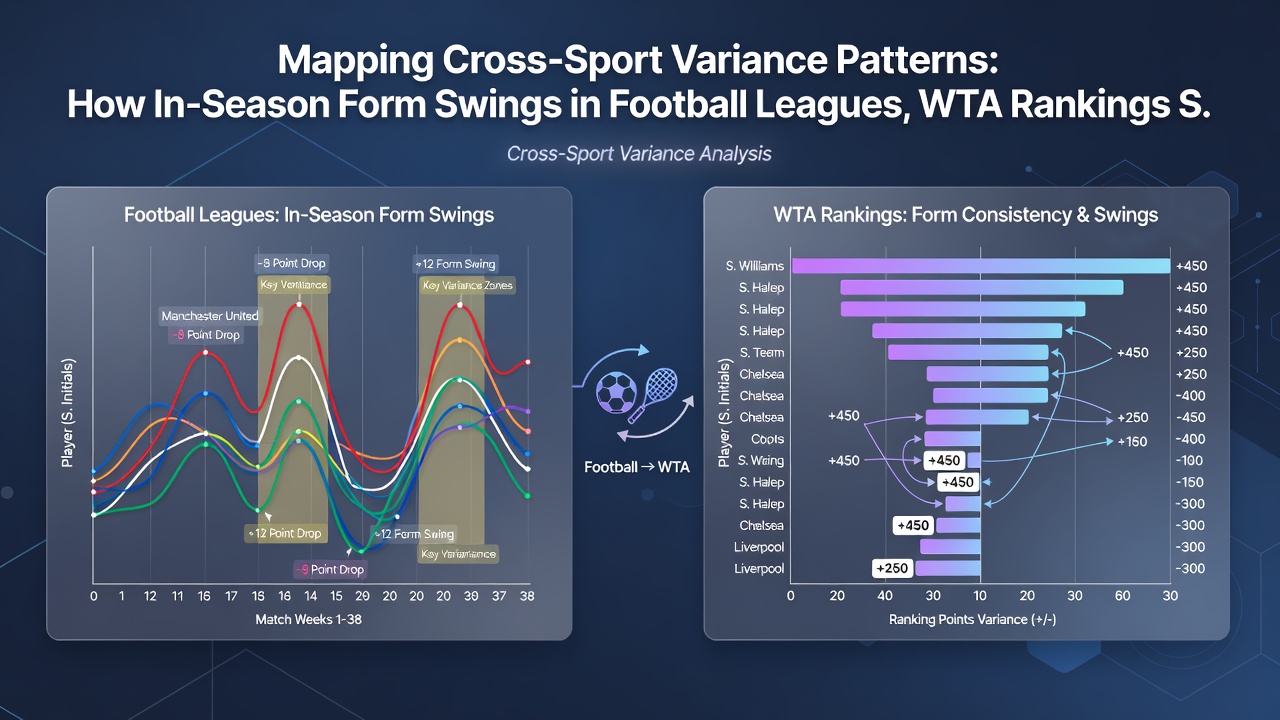
Data from European football tracking services shows that mid-season form swings often span three to six match sequences where teams exceed or fall below seasonal averages by margins of 15 to 25 percent in expected goals and points per game. Researchers at institutions tracking league performance have documented that such swings cluster around fixture congestion periods in October, when European competitions overlap with domestic schedules. These fluctuations feed directly into accumulator legs because operators adjust odds dynamically, and tiered loyalty credits scale rewards based on total stake volume and frequency of accumulator placements. Bettors constructing accumulators therefore monitor rolling form metrics to time entries when credit multipliers at higher loyalty tiers offset the increased variance.
WTA Rankings Shifts and Probability Adjustments
WTA ranking movements occur after each tournament week, with players gaining or losing between 50 and 300 ranking points depending on round reached and draw strength. Studies compiled by tennis analytics groups indicate that ranking drops of 10 or more positions correlate with altered head-to-head probabilities in subsequent events, particularly when players transition between surface types during the Asian swing that runs into October. Accumulator builders incorporate these shifts by selecting legs where ranking-based odds lag behind updated performance data. Tiered loyalty credits amplify the effect because higher tiers unlock bonus credit percentages on accumulator returns, allowing larger effective stakes on legs that carry elevated variance from recent ranking changes.
Thoroughbred Class Drops and Racing Form Variance
Class drops in thoroughbred racing occur when trainers move horses into lower-grade races after poor performances in higher company, a pattern documented in official racing authority records across major jurisdictions. Figures from Australian and North American racing databases reveal that horses dropping two or more class levels show win rate increases of 8 to 18 percent in the immediate next start, while those dropping from graded stakes to allowance company exhibit even sharper short-term adjustments. These movements introduce variance spikes that accumulator constructors factor into multi-sport tickets. Loyalty credit tiers interact here because operators often apply credit bonuses to racing legs within accumulators, scaling the credit amount according to the tier achieved through prior betting activity.
Interactions Between Variance Patterns and Loyalty Credit Tiers
Operators structure loyalty programs so that credit percentages rise at successive tiers, typically moving from 5 percent at entry level to 15 percent or higher at top tiers. Research from the Victorian Responsible Gambling Foundation indicates that credit structures influence bettor behavior by increasing the volume of accumulator placements once a player reaches mid-tier thresholds. When football form swings, WTA ranking drops, and thoroughbred class changes coincide within the same betting window, the combined variance creates opportunities for credit stacking that alter effective odds. Accumulator construction therefore incorporates filters that weigh the magnitude of each variance source against the credit multiplier available at the current loyalty tier.
Accumulator Construction Adjustments in October 2026
Current market data from October 2026 shows increased accumulator activity during periods when multiple variance sources peak simultaneously. For example, Bundesliga teams experiencing fixture-induced form dips often align with WTA events in Beijing or Tokyo where ranking volatility spikes, while European racing meetings feature class-drop opportunities in handicap races. Operators respond by adjusting accumulator payout tables to reflect loyalty tier benefits. Bettors who track these alignments adjust leg selection criteria to prioritize outcomes where variance direction and credit tier combine to produce favorable expected value ranges, according to performance reports issued by Canadian gambling research centers.
Conclusion
Cross-sport variance patterns in football form, WTA rankings, and thoroughbred class levels interact with tiered loyalty credits through measurable channels that directly shape accumulator construction. Data compiled across regulatory and academic sources demonstrates consistent relationships between these elements, allowing systematic tracking of how credit multipliers scale with variance magnitude. As operators continue refining loyalty structures in 2026, the mapping of these interactions remains central to understanding accumulator dynamics across the three sports.